
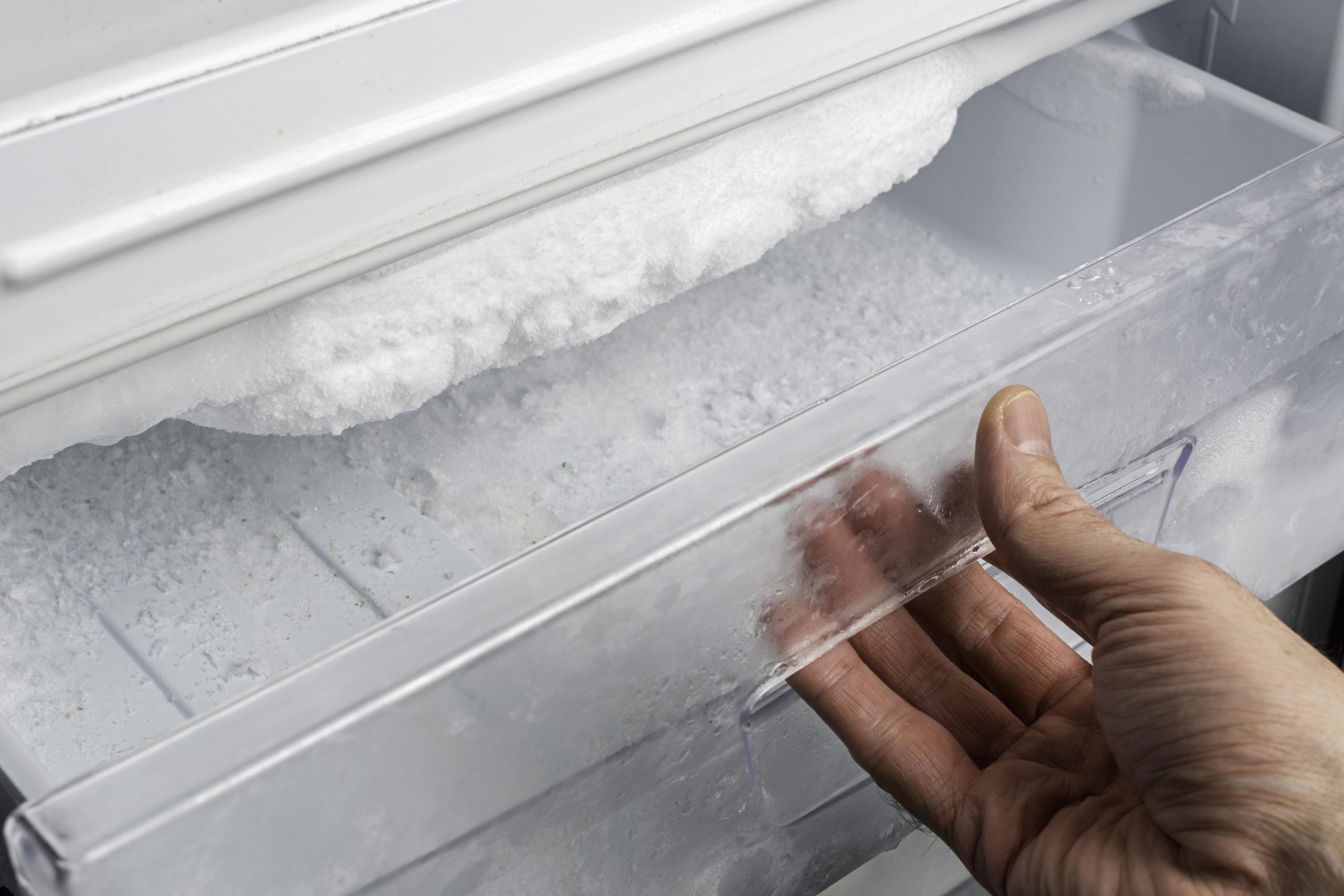
If you’ve opened your freezer and found a thick layer of ice coating the walls, shelves, or around the door — you already know how frustrating recurring frost build up can be. At Quick & Pro Appliance Repair Glendale, we get calls about this problem constantly. Frost build up is one of the most misunderstood refrigerator issues homeowners face, and it rarely fixes itself. In this post, we’ll walk you through exactly why it happens, what it means, and when you need professional help to stop it for good.
What Causes Frost Build Up in the First Place
Frost forms inside a freezer or refrigerator when warm, humid air comes into contact with cold surfaces. A thin layer of frost appearing occasionally is normal. But when frost keeps coming back — thick, heavy, and persistent — something in your appliance’s system is failing.
The most common causes include:
A faulty door gasket is often the first culprit. When the rubber seal around your fridge or freezer door wears out, cracks, or loses its grip, warm air sneaks in every time the door closes. That warm air meets the cold interior, moisture condenses, and frost forms. Over time, the cycle repeats and the frost gets worse.
A broken defrost system is another major cause. Modern refrigerators have an automatic defrost cycle that melts frost on the evaporator coils periodically. This system depends on three components working together: the defrost timer, the defrost heater, and the defrost thermostat. When any one of these fails, ice builds up on the coils and eventually spreads throughout the freezer compartment.
A blocked or frozen evaporator fan can make things worse quickly. If frost clogs the fan, air stops circulating properly, and cold spots develop throughout the unit.
Why Frost Build Up Keeps Returning After You Defrost
Many homeowners manually defrost their freezer — unplug the unit, let the ice melt, clean it out — and feel relieved when the problem disappears. Then two weeks later, the frost is back and thicker than ever.
This cycle tells you something important: the root cause was never fixed. Manually defrosting only removes the symptom. If your defrost heater is burned out or your door seal is letting in air, frost will return every single time.
Ignoring a recurring frost problem also puts your food at risk. When the evaporator coils become heavily iced over, your refrigerator works harder to maintain temperature. Energy bills go up. The compressor experiences added strain. Eventually, the unit may fail entirely — and that repair or replacement will cost far more than addressing the frost build up early.
Frost in the Refrigerator vs. Frost in the Freezer
Frost build up in the freezer compartment is common, but frost appearing in the fresh food section of your refrigerator is a bigger red flag. That typically points to a more serious defrost system failure or a problem with the damper that controls airflow between the two compartments.
If you notice ice forming on your refrigerator shelves, ice clumping around the back wall, or water pooling at the bottom of the fridge, schedule a fridge repair appointment right away. Waiting often turns a component replacement into a full refrigerator replacement.
Other Appliances That Can Develop Frost or Ice Issues
Refrigerators are not the only appliances affected by ice and moisture problems. Other household appliances can develop related issues that homeowners sometimes overlook.
Dishwashers can accumulate moisture and residue buildup when internal components fail. A malfunctioning water inlet valve or broken heating element can leave standing water and buildup inside the unit. Professional dishwasher repair can catch these problems before they damage your kitchen floor or cabinetry.
Ovens with poor door seals lose heat and can develop condensation issues on surrounding surfaces. A damaged gasket or broken seal around your oven door affects cooking performance and energy efficiency. Oven repair from a qualified technician addresses these issues efficiently.
Dryers that don’t vent properly can develop moisture buildup inside the drum or on interior components. Excess moisture causes lint to clump and can lead to overheating. Scheduling a dryer repair keeps your dryer running safely and efficiently.
How to Check Your Door Gasket at Home
You can test your door gasket with a simple trick: place a piece of paper between the door and the refrigerator frame, then close the door. Try to slide the paper out. If it pulls out easily, the gasket is not sealing properly and warm air is entering the unit.
A damaged gasket is one of the easiest repairs a technician can make. Replacing it early prevents months of frost-related damage to the evaporator system.
Signs You Need a Professional for Frost Build Up
Some refrigerator problems are manageable with a quick fix. Frost build up that keeps returning is not one of them. Call a professional when:
Frost returns within days of manually defrosting. Ice is coating the back wall of the freezer heavily. Your refrigerator is making unusual clicking or humming noises. Food in the fridge section is freezing unexpectedly. The compressor runs constantly without the unit reaching the correct temperature.
These signs point to a failed defrost component, a refrigerant issue, or a damaged fan — all of which require proper diagnosis and repair.
What a Technician Does to Solve Frost Build Up
A qualified appliance repair technician will inspect the full defrost system, test the defrost heater and thermostat, check the evaporator fan, and examine the door seals. They will use diagnostic tools to identify exactly where the failure occurred rather than guessing and replacing parts unnecessarily.
Quick & Pro Appliance Repair Glendale technicians are trained to diagnose frost build up issues quickly and accurately. Once the faulty component is identified, the repair is typically straightforward. Most defrost system repairs are completed in a single visit, and the recurring frost problem stops.
Preventing Frost Build Up Going Forward
After your repair, a few habits help keep frost from returning. Avoid leaving the freezer door open longer than necessary. Check door gaskets every few months for cracks or gaps. Keep your freezer about 70 to 85 percent full — a completely empty freezer is more prone to frost because there is more air to hold moisture. Set your freezer to 0°F and your refrigerator to 37°F.
Regular maintenance also extends the life of your appliance significantly. A quick inspection by a professional once a year can catch worn seals, weakening components, and early defrost system failures before they become expensive problems.
Trust Quick & Pro Appliance Repair Glendale With Your Frost Problem
Frost build up that keeps coming back is not something you should keep manually defrosting and hoping it resolves. It signals a real mechanical issue that worsens over time. Quick & Pro Appliance Repair Glendale provides fast, reliable diagnosis and repair for all major refrigerator brands and models throughout the Glendale area. Our team handles frost build up repairs every day, and we back our work with a commitment to getting it right the first time. Visit glendalerepairappliances.com to learn more about our services and schedule your appointment today.
Frequently Asked Questions
1. Why does frost keep building up in my freezer even after I defrost it? Frost returns repeatedly when the root cause has not been fixed. The most common reasons are a failed defrost heater, a broken defrost thermostat, or a damaged door gasket allowing warm air inside. Manual defrosting only removes the ice temporarily. A technician needs to identify and repair the faulty component to stop the cycle.
2. Is frost build up dangerous for my refrigerator? Yes, over time it is. Heavy frost blocks the evaporator coils, forces the compressor to work harder, raises energy costs, and can eventually cause the unit to fail completely. Addressing frost build up early protects both your food and your appliance.
3. How do I know if my door gasket is the problem? Try the paper test: close the refrigerator door on a piece of paper and try to pull it out. If the paper slides out with little resistance, the gasket is not sealing properly. You may also notice condensation on the outside of the door or visible cracks in the rubber seal.
4. Can I fix frost build up myself? Replacing a door gasket is a relatively simple DIY task if you are comfortable with appliance repairs. However, diagnosing a failed defrost heater, thermostat, or timer requires the right tools and technical knowledge. Incorrect diagnosis leads to replacing the wrong parts and wasting money. A professional repair ensures the problem is fixed correctly the first time.
5. How long does a frost build up repair usually take? Most repairs are completed in a single service visit, typically within one to two hours. The time depends on which component has failed and the refrigerator model. A technician will diagnose the issue on-site and carry common replacement parts to complete the repair efficiently.