
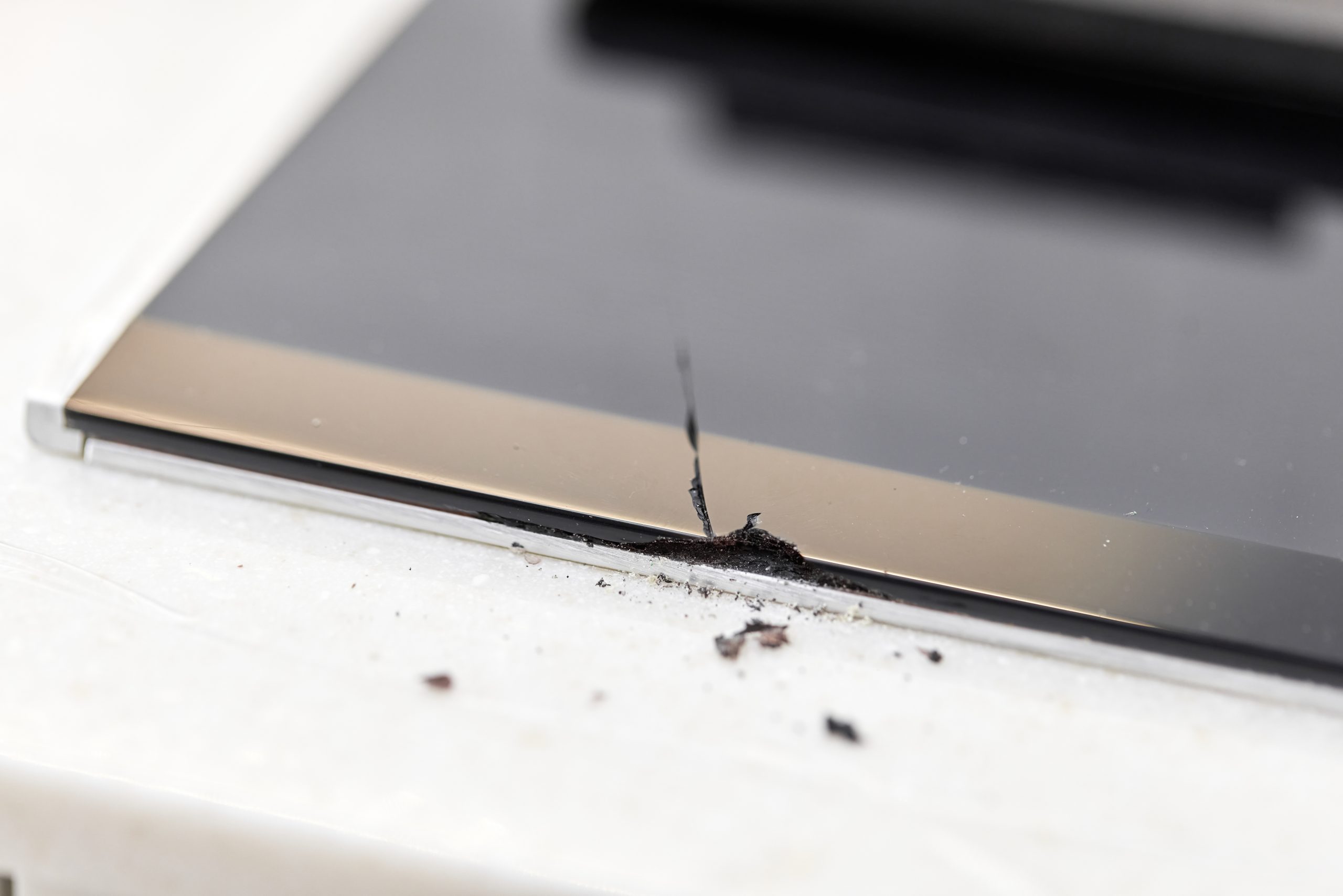
If you’ve discovered a cracked glass cooktop in your kitchen, you’re likely wondering what to do next. Fortunately, Quick & Pro Appliance Repair Glendale helps homeowners navigate this exact situation every day. A cracked glass cooktop is not just a cosmetic issue — it signals a safety risk that demands immediate attention. Therefore, acting fast protects your household and prevents further damage to your appliance.
Why a Cracked Glass Cooktop Is a Serious Problem
A crack in your cooktop glass can seem minor at first glance. However, don’t let that fool you. The damage underneath the surface may already be spreading. Furthermore, heat from daily cooking accelerates the deterioration, turning a hairline fracture into a full break within days.
Beyond structural failure, a cracked cooktop also poses electrical hazards. Moisture and food particles seep into the crack and reach internal components. As a result, this creates a risk of short circuits and even fire. Clearly, your cooking sessions should never come with that kind of danger attached.
What Happens to Your Cooktop After It Cracks
Once glass cracks, the integrity of the entire surface weakens immediately. Continued use then puts uneven pressure on the glass, expanding the fracture with every heating and cooling cycle. Consequently, a cooktop that seems functional one day may shatter the next.
Ceramic and induction cooktops share this vulnerability as well. The tempered glass used in these surfaces is designed to handle heat, not impact. Once broken, the glass no longer distributes heat evenly. In addition, your food cooks inconsistently, and your appliance works harder to compensate.
Electrical connections beneath the surface face exposure when cracks appear. That exposure then invites moisture, which leads to corrosion. Left unaddressed, the damage moves from the glass to the heating elements, control boards, and wiring below.
Can You Still Use a Cracked Glass Cooktop?
The short answer is no. Using a cracked glass cooktop puts you and your family at risk. Specifically, cracks compromise the seal between the glass and the frame. As a result, spills reach components that were never meant to get wet. Heat also escapes in unintended directions, sometimes scorching surrounding cabinetry.
Some homeowners attempt to use the appliance “carefully” while they decide on next steps. However, this strategy often backfires. The more you use a damaged cooktop, the worse the damage becomes. In fact, a small repair job can turn into a full replacement when the problem gets ignored.
Therefore, turn off the cooktop and keep it off until a qualified technician evaluates the damage. This one step can save you significant time and money.
Common Causes of Glass Cooktop Cracks
Understanding what caused the crack helps prevent it from happening again. For example, heavy pots and pans dropped directly on the surface rank among the most common culprits. Even a minor impact at the wrong angle generates enough force to fracture the glass.
Thermal shock is another frequent cause. Specifically, placing a cold pan on a hot burner, or setting a frozen item directly on the glass, creates sudden temperature changes the surface cannot absorb. As a result, this stress fractures the glass from the inside out.
Pots with warped or uneven bottoms also distribute heat poorly. Over time, this uneven pressure weakens specific zones of the cooktop glass. Therefore, regular inspection of your cookware goes a long way in protecting your appliance.
Improper cleaning techniques also contribute. Abrasive scrubbers scratch the surface, and those scratches then become starting points for cracks. Always use cleaners and tools designed specifically for glass cooktops.
Repair Versus Replacement: What to Consider
When facing a cracked glass cooktop, homeowners typically weigh two paths: repair or replace. The right choice depends on the severity of the crack, the age of the appliance, and the cost of each option.
Minor cracks on an otherwise well-functioning unit may justify a glass panel replacement. In that case, experienced technicians assess the depth and spread of the crack and determine whether the underlying components remain intact. If the heating elements and electrical systems show no damage, replacing the glass is often the more economical route.
On the other hand, older appliances or those with extensive cracking often warrant full replacement. Paying to repair a unit that is already near the end of its lifespan rarely makes financial sense. As a result, a technician from Quick & Pro Appliance Repair Glendale gives you an honest assessment before any work begins.
Why Professional Repair Matters
Attempting a DIY repair on a glass cooktop is rarely a good idea. The components involved — tempered glass, electrical connections, induction coils or radiant elements — require specialized knowledge and tools. Moreover, improper handling causes additional damage or creates new safety hazards.
Professional technicians, by contrast, arrive equipped with the right replacement parts and the expertise to install them correctly. They also inspect adjacent components for hidden damage, something a surface-level DIY fix never covers.
If your cooktop issue extends to other kitchen appliances, a qualified technician can address those concerns during the same visit. For instance, if your refrigerator is underperforming, our team handles fridge repair in Glendale with the same level of care. Kitchen appliance problems rarely arrive alone, and addressing them together saves time.
Signs Your Cooktop Needs Immediate Service
Not every crack looks alarming on the surface. Still, watch for these signs that signal the damage runs deeper than it appears. Sparking or unusual sounds during operation indicate electrical exposure. Similarly, burning smells point to scorched wiring or components beneath the glass. Uneven heating or burners that fail to activate suggest the crack has reached the heating elements.
Discoloration around the crack also matters. For example, yellowing or browning near the fracture line means heat is escaping in places it shouldn’t. Therefore, schedule a service call immediately if any of these symptoms appear alongside your cracked glass cooktop.
Other Appliances That Deserve the Same Attention
A crack in your cooktop often signals that your kitchen has seen heavy use. As a result, other appliances in your home may show wear and tear as well. Dishwashers that leak or underperform benefit from dishwasher repair in Glendale before a small problem becomes a costly one. Similarly, ovens that heat unevenly or fail to reach temperature deserve a professional look — visit our page on oven repair in Glendale to learn more. Meanwhile, dryers that take two or three cycles to dry a single load waste energy and time — our dryer repair in Glendale service gets them running efficiently again.
Addressing appliance issues promptly extends their lifespan and reduces your overall repair costs. In addition, routine maintenance prevents most of the problems that lead to emergency service calls.
How Quick & Pro Appliance Repair Glendale Can Help
Dealing with a cracked glass cooktop feels stressful, but you don’t have to figure it out alone. Fortunately, Quick & Pro Appliance Repair Glendale provides fast, reliable service for homeowners who need answers and solutions. Technicians assess the damage, explain your options clearly, and complete repairs with quality parts built to last.
Visit glendalerepairappliances.com to schedule your service call or learn more about the appliance repair services available to Glendale residents. In short, getting expert help quickly means protecting your home, your appliances, and your peace of mind.
Frequently Asked Questions
1. Is it safe to use a cracked glass cooktop temporarily? No. Using a cracked glass cooktop creates real safety risks, including electrical exposure and the potential for the glass to shatter entirely. Turn it off and contact a repair professional right away.
2. What causes a glass cooktop to crack suddenly? Sudden cracks usually result from impact, thermal shock, or a warped pan. Even minor drops or rapid temperature changes can fracture tempered glass without warning.
3. Can a cracked glass cooktop be repaired, or does it need full replacement? It depends on the severity of the crack and the condition of the components beneath the surface. A technician evaluates both before recommending a repair or replacement.
4. How long does a glass cooktop repair typically take? Most glass cooktop repairs are completed in a single visit, typically within one to two hours. Time varies depending on parts availability and the extent of the damage.
5. Will my homeowner’s insurance cover a cracked glass cooktop? Coverage depends on your specific policy and the cause of the damage. Accidental damage is sometimes covered. Review your policy details and contact your insurance provider to confirm.