
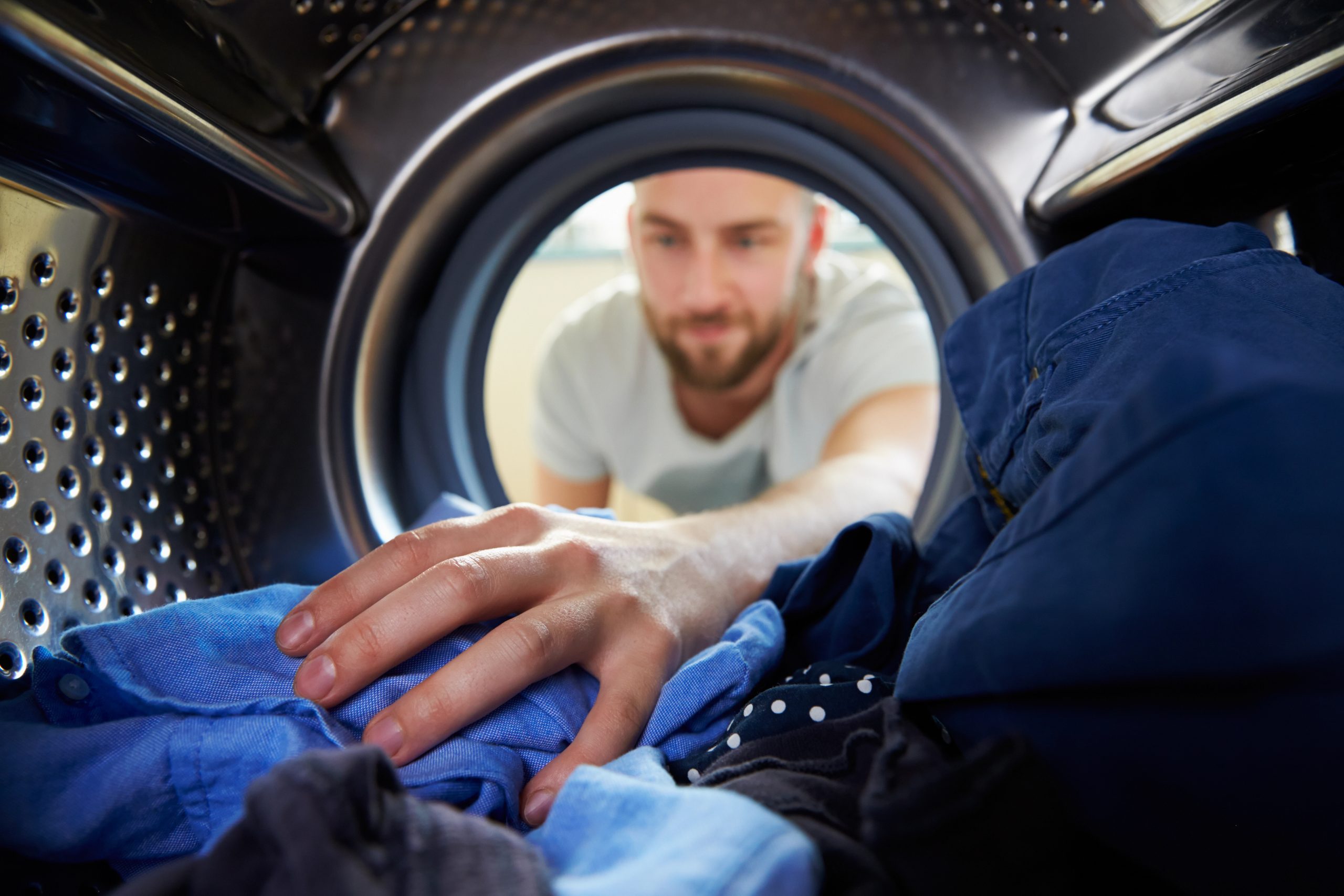
Dryers are designed to keep heat and moisture sealed inside while tumbling clothes evenly. But when the door starts popping open mid-cycle, it interrupts everything. In some cases, it’s a safety issue. In others, it’s a sign something deeper is going wrong. We’ve seen this issue many times during appliance repair in Glendale, and we’ll break it down clearly so anyone can understand what’s behind it.
The Latch Isn’t Catching Properly
When the door latch wears out, it may stop holding securely. Some latches have small plastic hooks or catches that lose shape over time. If they round off or crack, the door no longer stays shut. It may close, but the slightest pressure pops it open again. Often, this starts as an occasional nuisance. Eventually, it becomes consistent.
We check for this right away during service. A simple way to test the latch is by gently pulling the door after closing it. If it opens easily or feels loose, the latch needs attention. Sometimes cleaning lint around the latch helps. In other cases, the latch spring weakens and needs replacement. This is a common issue we address during dryer repair in Burbank, and it’s one of the faster fixes.
In addition, realigning the strike plate where the latch connects can make the seal tighter and stop it from reopening mid-cycle.
Heat Expansion and Pressure Buildup
Some dryers build up heat faster than expected, especially in tightly sealed laundry rooms. When the heat increases too quickly, air pressure forms behind the door. As a result, it pushes against the door until the latch can’t hold it anymore. This can happen during high heat cycles or when airflow is restricted.
We usually see this when the exhaust vent is partly blocked. The hot air gets trapped and forces its way toward the front. A vent cleaning often fixes the pressure issue. But if your room doesn’t have enough space for air to circulate, we may suggest adjusting the ductwork or running shorter loads. Adding a fan near the dryer can also reduce internal pressure.
In these situations, the popping door isn’t the actual problem. It’s a symptom of poor ventilation. The key is removing heat faster than it builds, so nothing pushes the door open from inside.
Misaligned Door Hinges or Loose Screws
Dryers move a little during use, especially on older floors or when loads are unbalanced. This can shift the door frame slightly over time. When that happens, the hinge no longer lines up perfectly. Even small misalignments affect how the latch holds, and that’s when doors begin popping open.
We check for this by looking closely at the hinges. If they’re loose, worn, or out of line, the latch won’t engage properly. You may hear the door rattle or notice it closes with less resistance than usual. Sometimes, the fix is as simple as tightening a few screws. Other times, we need to reset the hinges or install new mounting brackets.
If your dryer has been moved recently, this issue becomes more likely. It’s also common after repairs or installation. A level dryer is key, and part of appliance repair in Glendale includes checking the frame to make sure it sits right.
Worn Gasket or Door Seal Issues
The rubber gasket around the dryer door helps keep everything sealed. Over time, it can flatten, crack, or collect residue. Once the seal weakens, warm air escapes and shifts the door outward during use. This gentle outward push may eventually cause the latch to fail.
We inspect this seal closely because it often looks fine but hides damage. Pressing gently on different areas helps reveal weak spots. If we find sections that are brittle or no longer bounce back, we replace the entire seal. That prevents future pressure problems and restores the tight fit that keeps the door shut.
Lint buildup also plays a role. It forms layers that press against the seal unevenly, especially around the hinge side. Cleaning the gasket with warm water and a cloth once a month can help. When seal issues get ignored, the door becomes harder to close and more likely to pop open during drying cycles.
Overstuffed Loads Pressing Against the Door
Big loads create extra pressure inside the drum, especially when clothes clump together. If the load pushes too hard against the door, it slowly forces it open. This is more likely with thick blankets, towels, or mixed fabrics that don’t tumble evenly.
We always ask how large the last few loads were. If overfilling is the issue, the door pops open partway through the cycle once the load shifts. Sometimes, customers notice the dryer stops early or that clothes come out damp and partially spun. Reducing load size can solve this immediately.
For larger families or heavier laundry, switching to multiple smaller loads keeps the appliance working smoothly. It also reduces strain on the motor and prevents future repairs. Dryers are built to handle full capacity, but pushing past that point bends internal components. That’s when the door begins struggling to stay shut, and even a good latch can’t fight the pressure.
Magnetic Catch Weakening Over Time
Some dryers use a magnet as part of the door mechanism. This small piece helps keep the door closed between cycles. Over time, these magnets weaken or become misaligned. When that happens, the door opens easier, especially during heavy vibrations or high spin speeds.
We see this more often in older models or when dryers are stacked with washers. The extra vibration loosens the magnet bracket. In most cases, we either replace the magnet or reposition it slightly closer to the metal frame. That restores the pull needed to hold the door firmly.
It’s easy to overlook the magnet during diagnosis. But once we notice that the door opens even when gently nudged, we take a closer look. In some dryers, we also reinforce the housing or install small spacers to boost the magnetic contact. This keeps everything aligned so the door won’t pop open in the middle of the cycle.
Broken Door Switch or Sensor Faults
Dryers use a switch to detect whether the door is closed. If this switch fails, the machine may either stop working or behave unpredictably. In some cases, it thinks the door is open and keeps trying to restart. Other times, it allows a cycle to begin but can’t hold the door closed when it shakes or heats up.
We replace faulty switches fairly often. A good way to test is by pressing gently on the switch with the door open. If you don’t hear a click, it may be broken. Sometimes, wiring issues also cause misreads, so we check for loose connectors and frayed cords.
In newer models, sensors control both the latch and the heat cycle. When they send the wrong signal, the dryer might suddenly shut off, open the door, or flash an error code. Repairing this requires safe handling of internal wiring, and we always disconnect power before testing any components.
Internal Frame Damage or Warping
After years of use or a heavy impact, a dryer’s outer shell can bend slightly. Even small warps affect how tightly the door fits. You might not notice it at first, but as pressure builds inside during drying, the frame flexes outward. That movement is enough to pop the door open.
We run a straight-edge tool along the front of the unit to check for dips or warps. If the damage is minor, we realign parts of the frame using clamps and adjustment screws. For major damage, we recommend a frame replacement or explore if the dryer is still worth repairing.
Excess heat or steam can also warp plastic panels inside the door. When that happens, the inner door curves away from the gasket, and the latch can no longer reach properly. This issue happens gradually. If you notice uneven gaps around the door or if the dryer rocks slightly, the frame could be at fault.
Professional Troubleshooting and Testing Steps
When we handle door problems, we start with a visual inspection and move to physical tests. First, we gently press the door and listen for clicks, squeaks, or gaps. Next, we check the hinge tension and test the latch by pulling gently during a dry cycle. If the dryer vibrates too much, we adjust the leveling feet.
We always test the airflow to rule out heat pressure. This includes checking the back vent, the wall duct, and airflow at the exit point outside. Then, we run a sensor diagnostic on units with control boards. That helps us spot issues like broken switches or magnetic failures.
Every dryer behaves slightly differently depending on age and load size. That’s why we tailor our approach for each visit. If you’ve already checked the seal, latch, and vent, but the problem keeps coming back, it’s time to reach out for appliance repair in Glendale so we can isolate the exact cause and stop the cycle interruption.
When It’s Time to Contact a Technician
Most people try cleaning the latch and realigning the door before calling for help. That’s a smart first step. But if the door keeps popping open, and you’ve ruled out basic causes like overloads or dust buildup, then something deeper is going on. Internal components wear out, and fixing those takes tools and parts most people don’t have at home.
We often visit homes where the issue has gone on for weeks, sometimes months. The dryer keeps stopping mid-cycle or running cool because the heat escapes through the cracked-open door. If that sounds familiar, don’t wait any longer. The fix may be quicker than expected.
You can start by scheduling help through the contact page for Quick & Pro Appliance Repair Glendale. We’ll ask a few questions about what’s happening and walk you through the next steps. Our team can usually identify the root problem and restore full performance within a single visit.
FAQ
Why does my dryer door randomly pop open mid-cycle?
The latch might be loose, the gasket worn, or pressure could be building inside. These are the most common reasons the door opens unexpectedly.
Is it safe to keep using the dryer if the door keeps opening?
It’s best to stop using it until fixed. The repeated opening can damage internal parts and increase risk of overheating.
Can I fix the dryer door latch myself?
Yes, in some cases. But if the hinge, frame, or internal switch is damaged, it’s safer to let a technician handle the repair.
What causes extra pressure to build inside the dryer?
Usually, it’s poor airflow. A blocked vent or very small laundry room can trap heat and push against the door.
How long does it take to fix a popping dryer door?
Most repairs take under an hour if the part is available. More complex issues, like warped frames, can take longer.