
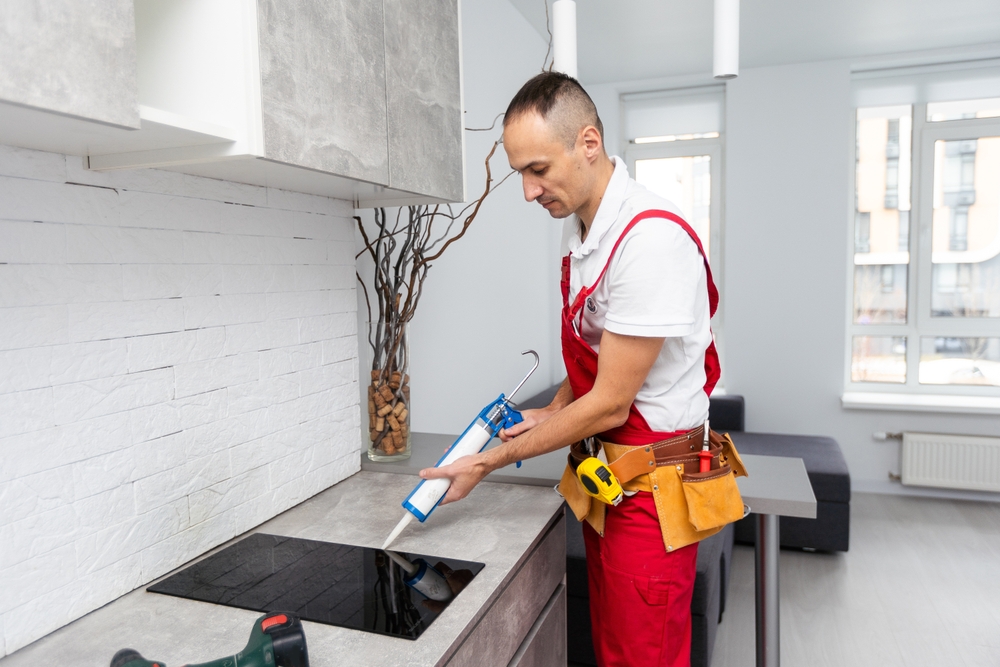
Quick & Pro Appliance Repair delivers stove repair Glendale families count on, whether a gas burner will not light or an electric element runs cold. A cooktop that misbehaves stalls dinner and raises safety questions. Most stove faults come from igniters, burner elements, switches, or wiring that has worn over time. This guide explains the signs, the causes, and the point where a professional in Glendale, California should step in.
Stove Repair Glendale: Warning Signs to Watch
A healthy stove lights fast and holds an even flame or glow. Trouble often starts small. A gas burner may click again and again before it catches, or it may never light at all.
Electric elements tell a different story. One may stay cold while the others work. Another may run only on high, with no low setting in between.
Watch for a burner that glows red but never gets pans hot. Notice any smell of gas near the range. These clues each point to a specific part, and early action keeps the fix simple.
Common Causes Behind Stove Faults
Gas and electric stoves fail in different ways. On gas models, a wet or dirty igniter is the usual reason for a gas igniter that keeps clicking without a flame. Clogged burner ports also block the gas path.
Electric cooktops rely on elements and switches. A worn element or a failing infinite switch creates weak or uneven heat. Sometimes you meet a burner that only works on high, which usually traces to that switch.
Wiring adds a third layer. A loose terminal behind the control panel can mimic a dead element. Heat and vibration slowly loosen those connections over the years.
How We Handle Stove Repair Glendale Calls
Our technicians start with a safety check, then move to the part. On gas ranges we test the igniter, clean the ports, and confirm a clean burn. On electric ranges we test each element and its terminal.
We also check the wiring behind the control panel. A loose connection can look just like a dead element, so we confirm the true cause before we quote. That step prevents a swapped part that never fixes the fault.
Symptom to Cause Reference Table
Use this quick guide to understand what your stove may be telling you. A technician confirms the diagnosis on site.
| Symptom | Likely Cause | What We Do |
|---|---|---|
| Gas burner clicks, no flame | Dirty or wet igniter | Clean ports, test or replace igniter |
| Electric burner stays cold | Worn element or loose terminal | Test and replace element |
| Only high heat works | Failing infinite switch | Fit a new control switch |
| Weak flame on gas | Clogged burner port | Clear ports, adjust flame |
| Sparking will not stop | Faulty spark module | Replace the ignition module |
When to Call a Professional
Some stove issues call for immediate help. Any smell of gas means you should stop, ventilate, and call for service. Gas work is not a safe do-it-yourself task.
A burner that behaves like one that stays lit but never gets hot also needs trained eyes. We handle the diagnosis and the repair with the right tools. The National Fire Protection Association shares useful guidance in its cooking fire safety resources for every household.
Older ranges deserve extra care too. A stove with worn wiring and a failing control can develop several small faults at once. We inspect the whole cooking surface, not just the burner that alerted you, so a hidden issue does not surprise you later.
What a Stove Repair Glendale Visit Looks Like
A clear process takes the worry out of a broken cooktop. You call, describe the symptoms, and we set a window that suits your schedule. The technician arrives ready to test both gas and electric systems.
We diagnose the fault on site and explain it in plain words. You learn the cause, the part, and the honest recommendation before any repair begins. Many burner and igniter faults are solved in a single visit with parts carried on the van.
You also get practical advice to keep the range reliable. We point out the cleaning habits that protect the igniter and the elements. That guidance helps the stove stay steady long after we leave.
We back the work as well. If a repaired burner acts up again, we return and put it right. That promise is why many households trust us for stove repair Glendale service year after year.
Neighborhoods We Serve Near Glendale
Our stove repair Glendale service reaches homes across the wider area, not just the city center. We travel to nearby communities every week and hold the same fast response times. A local crew means shorter waits and quicker access to common igniters and elements.
- Eagle Rock and Highland Park
- Echo Park and Silver Lake
- Los Feliz and the nearby foothills
Wherever you cook in the area, you meet the same trained technician and the same honest assessment. That consistency keeps quality high on every call we take.
Maintenance Tips to Keep Burners Reliable
Clean burners last longer and cook better. Wipe up spills once the surface cools, and keep gas ports clear of food debris. A little routine care prevents many service calls.
- Clean electric coils and gas ports after heavy cooking.
- Dry gas igniters fully after wiping the cooktop.
- Avoid oversized pans that trap heat against controls.
- Check that burner caps sit flat and aligned.
These habits protect the elements and the ignition system. A stove that stays clean holds steady heat for years and needs fewer repairs.
Book Stove Repair in Glendale
Reach Quick & Pro Appliance Repair in Glendale, California whenever you need a fast, honest assessment. Our team gives a clear quote only after we inspect the appliance, never before you meet a technician.
- Phone: (818) 860-8028
- Address: 450 North Brand Blvd, Office 670, Glendale, CA 91203
- Hours: 7am to 8pm, 7 days a week
Frequently Asked Questions
Is it safe to use a stove with one dead burner?
A single dead electric burner is usually safe to leave off until service, but a gas burner that will not light needs care. Escaping gas is a hazard. If you smell gas, shut off the supply and call a professional before using the stove.
Why does my gas burner click but not light?
Persistent clicking often means a wet or dirty igniter, a clogged burner port, or a worn spark module. Moisture from cleaning is a frequent culprit. A technician cleans the ports and tests the igniter to restore a steady flame.
What makes an electric burner heat unevenly?
Uneven heat usually comes from a worn element, a loose terminal, or a failing infinite switch. The burner cannot hold a steady temperature. We test the element and its connection, then replace the weak part.
How long do stove burners last?
Industry estimates give electric elements and gas burners roughly 8 to 15 years with normal use. Spills, moisture, and heavy cooking shorten that range. Regular cleaning helps the parts reach the upper end.