
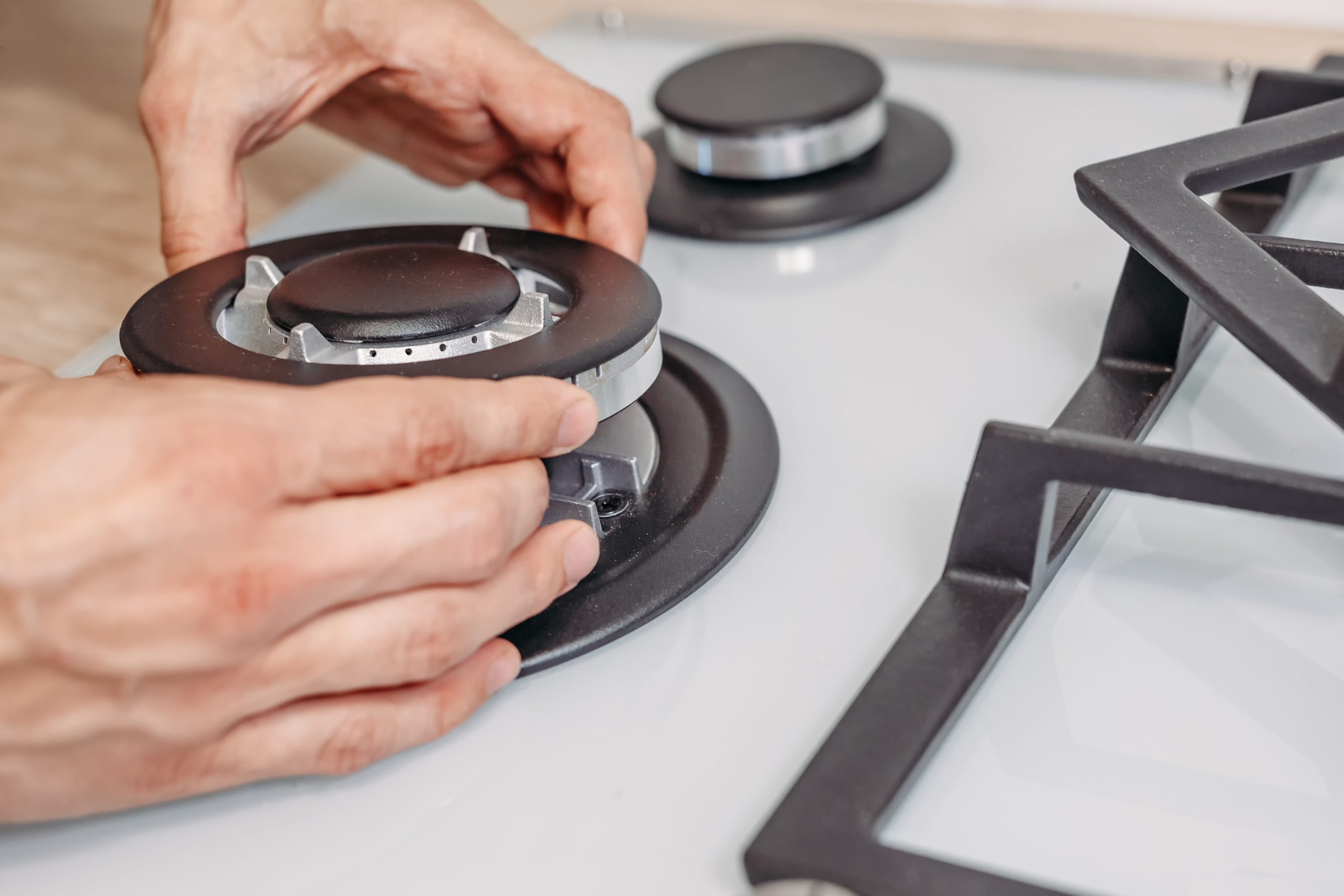
Quick & Pro Appliance Repair Glendale fields cooktop repair Glendale requests for a wide range of problems. Electric and induction cooktops raise questions that gas models rarely do. These surfaces rely on sensors, control boards, and glass-ceramic panels rather than open flames. That means the warning signs look different too. This guide covers the electric and induction issues homeowners tend to overlook until cooking becomes frustrating or the surface stops responding altogether.
Why Electric and Induction Cooktops Behave Differently
Gas cooktops fail in fairly visible ways, with clicking igniters or uneven flames that are easy to spot. Electric and induction models hide their problems inside sealed control boards and touch-sensitive panels. A fault can develop for weeks before it becomes obvious. A burner that heats slowly, a display that flickers, or a pan that will not lock onto an induction zone are all early clues.
Induction cooktops add another layer of complexity. They depend on magnetic coupling between the cookware and the surface. An incompatible pan material can prevent a zone from activating. The same happens if the sensor beneath the glass misreads the cookware, even though nothing is mechanically broken.
Cooktop Repair Glendale: Touch Controls and Display Problems
Touch-sensitive control panels are convenient until moisture, grease, or a small crack interferes with the sensor underneath. A panel that registers phantom touches usually points to a wiring or membrane issue beneath the glass. The same is true for a panel that fails to respond or locks itself repeatedly.
Error codes displayed on the control panel are one of the most useful diagnostic tools available. Our technicians reference the specific code against the model’s service documentation. This helps identify whether the fault lies in the control board, a temperature sensor, or a wiring connection.
| Symptom | Likely Cause | What We Do |
|---|---|---|
| Touch controls unresponsive or erratic | Moisture intrusion or worn control membrane | Test control board, inspect membrane and wiring |
| Induction zone will not detect cookware | Incompatible pan material or sensor fault | Test with verified induction-safe cookware, check sensor |
| Element heats slowly or inconsistently | Worn heating element or loose connection | Test element resistance, secure or replace connections |
| Display flickers or shows error code | Control board fault or overheating protection triggered | Diagnose error code, inspect ventilation and board |
| Surface stays warm after shutoff | Residual heat indicator malfunction | Test indicator sensor and wiring |
How Kitchen Layout Affects Cooktop Performance
Built-in electric and induction cooktops sit close to cabinetry, and that tight fit can create its own problems. Poor ventilation beneath the unit traps heat around the control board, which shortens its working life over time. Cabinets that were not built with proper clearance can also block cooling vents the manufacturer relies on.
Countertop material matters too, especially with induction models that generate heat through the pan rather than the surface itself. Some materials retain residual heat longer than others, which can affect how quickly the surface cools between uses. Our technicians check clearance and ventilation as part of every cooktop diagnostic, since a mechanically sound unit can still overheat in a poorly ventilated cabinet.
Electrical Safety Behind the Glass Surface
Electric and induction cooktops draw significant power, so a wiring fault is not something to leave unaddressed. A breaker that trips repeatedly is one warning sign. A burning smell during use or visible discoloration around the control panel are others. These signs call for immediate professional attention rather than continued use.
The National Fire Protection Association publishes safety guidance on cooking equipment. It reinforces why unusual smells or repeated breaker trips should never be ignored. We always recommend disconnecting power until a technician can confirm the source of the issue.
Cracked or Damaged Glass Surfaces
A hairline crack in a glass-ceramic cooktop rarely stays cosmetic for long. Heat expansion around the crack can cause it to spread. Moisture that seeps into the crack increases the risk of an electrical short beneath the surface. We inspect the extent of the damage and advise whether the glass panel needs replacement.
Small chips near the edge of the cooktop deserve attention too, even if cooking still seems to work normally. These weak points often expand with repeated heating and cooling cycles. Addressing them early prevents a much larger repair later.
Cooktop Repair Glendale: Habits That Keep Electric and Induction Surfaces Running Well
A few habits help these surfaces perform consistently between service visits. None of them take much time, but they add up over months of regular cooking.
- Wipe up spills before they bake onto the glass surface, since burnt residue can interfere with sensors underneath.
- Use only cookware rated for the surface type, especially with induction models that require magnetic-compatible pans.
- Avoid dragging pots and pans across the glass, which can create scratches that trap debris near sensor zones.
- Check the control panel area for moisture buildup after cleaning, and dry it fully before the next use.
Industry estimates suggest cooktops with regular surface care avoid major control board failures much longer than units that run until something stops working entirely. Wiping down the surface after each use and checking cabinet ventilation twice a year are small steps that add up over the life of the appliance.
Homeowners who cook frequently should pay closer attention to these habits, since heavier daily use accelerates wear on both the glass surface and the control components underneath it.
Burners that heat unevenly, rather than showing control panel issues, may point to a different problem. Our page on uneven heating fixes for Glendale kitchens covers that case in detail. Homeowners with a gas model can review our breakdown of clicking without lighting issues. Anyone comparing cooktop and range problems may also find our stove repair service page useful.
Frequently Asked Questions
Why won’t my induction cooktop heat up even though the display is on?
This usually means the cookware is not magnetic-compatible or the sensor beneath the glass is not detecting the pan. Our technicians can test both directly.
Is a cracked glass cooktop still safe to use?
Not reliably. Moisture can enter the crack and reach electrical components underneath. It is best to stop using the surface until it has been inspected.
Why does my cooktop’s touch control panel respond on its own?
Phantom touches usually come from moisture, grease buildup, or a worn control membrane beneath the glass rather than a software issue.
How long do induction and electric cooktop elements typically last?
With regular care, elements often perform reliably for many years. Usage patterns and cookware compatibility both affect how long components hold up.
Should I keep using a cooktop that trips the breaker?
No. A cooktop that repeatedly trips a breaker should be disconnected until a technician identifies the wiring or component causing the fault.
Get in Touch
Quick & Pro Appliance Repair Glendale is available at (818) 860-8028 or through the contact page for cooktop repair Glendale scheduling. The office is at Office number 670, 450 North Brand Blvd, Glendale, California 91203, open daily from 7:00 am to 8:00 pm, seven days a week.