
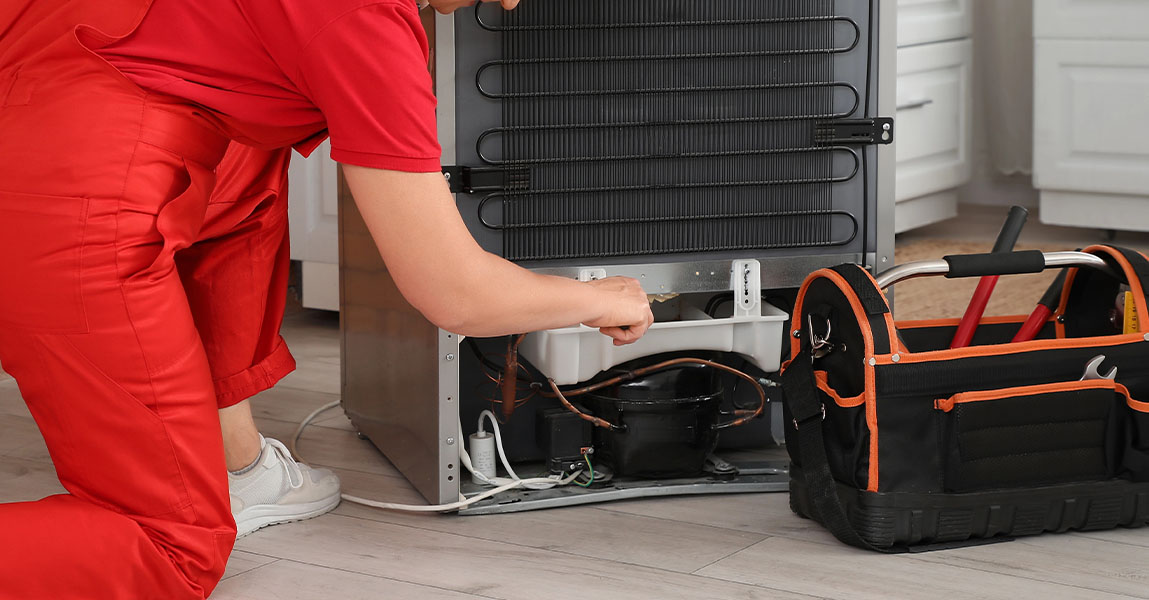
It can be unsettling to hear strange noises from your fridge when the rest of the house is quiet. While a humming refrigerator during the day may go unnoticed, at night the sounds become more pronounced. Understanding why your fridge is making those noises can help you know when to relax and when to take action before a small issue turns into a costly repair.
Normal Sounds vs. Problematic Ones
Every refrigerator makes some noise as part of its normal operation. The compressor, fans, and defrost cycle all create sounds that vary in volume and rhythm. The key is knowing which noises are typical and which might signal trouble. A soft hum, occasional clicking, or faint gurgling are usually normal. However, grinding, rattling, or loud buzzing should not be ignored.
When the fridge runs at night, external sounds drop, making internal noises seem louder. The temperature inside your kitchen also changes slightly, causing materials inside the fridge to expand and contract. This can add small pops or creaks. But if the noise has recently increased, changes pitch, or seems to come from a specific area like the back or bottom, something might be off.
The Role of the Compressor
The compressor is the heart of the refrigerator, responsible for keeping the inside cold. It naturally cycles on and off, and when it does, it can produce a low humming or gentle vibration. If this sound becomes harsh or continuous, it may be straining to maintain temperature or struggling due to dust buildup around the coils.
Cleaning the coils behind or underneath your fridge every few months helps the compressor run smoothly and quietly. When coils are clogged with dust, the compressor has to work harder, which can make it noisier and shorten its lifespan.
A compressor that clicks frequently or hums loudly for long periods could also indicate wear. At this stage, it is wise to schedule professional inspection through appliance repair in Glendale before the issue worsens.
The Evaporator and Condenser Fans
Inside your fridge are two fans: one near the compressor that cools the condenser coils and another in the freezer that circulates cold air. Both can develop problems that lead to noise.
If you hear a constant whirring or a faint rattling, the fan blades may be dirty or hitting ice buildup. Sometimes food packaging gets too close to the back wall, interfering with airflow and causing vibration. Turning off the fridge, checking for obstructions, and cleaning visible frost or debris can help.
If the noise continues, one of the fan motors may be failing. Fan bearings wear down over time, especially when they work harder to maintain temperature in a warm or overfilled fridge. This is a common issue that requires replacement of the motor assembly. A technician can diagnose which fan is the cause and replace it efficiently.
Water Line and Ice Maker Sounds
If your refrigerator has an ice maker or water dispenser, you might hear knocking, hissing, or gurgling sounds from the back. These occur when the water line fills or the ice maker releases cubes. While these sounds are generally normal, they should be brief and consistent.
A repetitive knocking or loud clunking could mean air is trapped in the line or that the water valve is wearing out. If you recently moved the fridge or connected a new water line, double-check that the tubing is straight and not kinked. Trapped air can be cleared by running the water dispenser for a few minutes.
However, a faulty valve or cracked line may leak and cause further damage. If water is pooling under the fridge or you smell mildew, shut off the water supply and reach out for help right away.
Vibrations and Loose Parts
Vibrations often cause rattling or buzzing noises that sound worse at night. Sometimes the fridge simply needs better leveling. When it is uneven or not sitting firmly on the floor, internal vibrations transfer to nearby surfaces and amplify the noise.
Placing a small level on the top edge of the fridge can reveal if it is slightly tilted. Adjust the front legs or add rubber pads under them to stabilize it. Avoid pushing the fridge too close to the wall since tight spacing can trap heat and increase vibration.
Loose parts such as drip trays, handles, or shelves can also add to the sound. A simple check and tightening of visible screws can make a noticeable difference.
The Defrost Cycle
Modern fridges use an automatic defrost cycle to prevent frost buildup. During this cycle, the defrost heater melts ice on the evaporator coils, and you may hear clicking, hissing, or dripping sounds. These noises are usually harmless and occur a few times per day, often late at night when the system runs more efficiently.
However, if the defrost timer or heater malfunctions, you might hear continuous clicking or the sound of water freezing and thawing repeatedly. This can lead to temperature fluctuations inside the fridge and visible frost in the freezer.
If you notice this pattern, the defrost system may need repair. Addressing it early helps avoid food spoilage and energy waste.
Temperature Settings and Overworking
Sometimes loud operation simply means the fridge is working too hard. If the temperature is set too low or the door is opened frequently, the compressor and fans have to run longer to keep up. The same happens when warm food is placed directly inside or when vents are blocked by overstuffed shelves.
Keep the fridge between 37°F and 40°F and the freezer around 0°F. Leave enough space for air to circulate freely. Regularly checking the door seals for cracks or gaps also helps maintain proper cooling without overloading the system.
By maintaining ideal settings and organization, you can often reduce nighttime noise without any technical repair.
When It Becomes More Than a Noise
A sudden change in sound can reveal early warning signs of a mechanical issue. For example, a grinding noise may indicate a damaged fan blade or failing motor. A loud buzzing from the back could come from the compressor relay or condenser coil problems.
Ignoring these sounds may lead to higher energy bills, spoiled food, or even a complete breakdown. It’s better to identify the cause early than risk losing perishable items or replacing the appliance entirely.
If troubleshooting does not help and the noise persists, scheduling fridge repair in Burbank can prevent a larger failure and save money over time. Professionals can pinpoint the exact component causing the noise and perform precise repairs safely.
Nighttime Power Fluctuations
Another overlooked cause of nighttime fridge noise is power fluctuation. Many households experience slight voltage changes after peak hours, which can make motors sound louder or slightly irregular. While this typically does not damage the appliance, it can expose underlying weaknesses in old electrical parts.
Using a surge protector specifically rated for refrigerators can reduce strain on internal circuits. If you live in an area with frequent voltage dips or spikes, this small step can make a noticeable difference in noise and performance.
Insulation and Kitchen Acoustics
Sometimes the fridge itself is fine, but the room amplifies the sound. Hard surfaces like tile floors, metal backsplashes, and empty countertops reflect vibrations. Adding a rug, mat, or curtain nearby can reduce echo and make the kitchen quieter overall.
Older homes with thinner walls also carry sound more easily. A small soundproof mat under the fridge can absorb some of the vibration and limit transmission through the floor. These minor adjustments can make your kitchen more comfortable without any repair needed.
Preventive Care and Long-Term Quiet
Like any machine, your refrigerator benefits from occasional maintenance. Cleaning coils, checking door seals, defrosting when needed, and keeping the appliance level all reduce the chance of future noise.
Regular inspection of moving parts such as fans, compressors, and ice makers helps detect early wear. Catching small problems before they worsen not only keeps the fridge quiet but also improves its efficiency.
If your fridge is more than ten years old, periodic professional servicing can extend its life. Technicians can test components like relays and thermostats that may fail silently before causing noticeable problems.
If the noise persists despite your efforts, the safest next step is to contact us for an inspection. Addressing mechanical issues early ensures your fridge runs smoothly and keeps your food safe while restoring peace to your kitchen at night.
Frequently Asked Questions
Why does my fridge make loud popping noises at night?
Popping sounds often come from the inside walls expanding and contracting as temperatures change during cooling cycles. These are usually harmless unless they become unusually loud or frequent.
How can I tell if the compressor is the source of the noise?
If the noise comes from the lower back of the fridge and starts or stops with cooling cycles, the compressor may be involved. Persistent loud humming or clicking may indicate strain or a failing start relay.
Should I unplug my fridge if it makes grinding noises?
If the noise sounds like metal scraping or grinding, unplug the fridge and inspect for debris around the fan or motor area. Continuing to run it could cause further damage.
Can temperature settings affect how loud my fridge is?
Yes. Extremely low settings force the compressor and fans to work longer, making them louder. Adjusting to recommended temperatures helps balance cooling performance and noise.
What should I do if the noise starts suddenly?
A new or sudden noise often signals a loose part or developing issue. Checking for visible obstructions, cleaning coils, and ensuring level placement are good first steps. If it continues, calling a technician prevents larger problems later.