
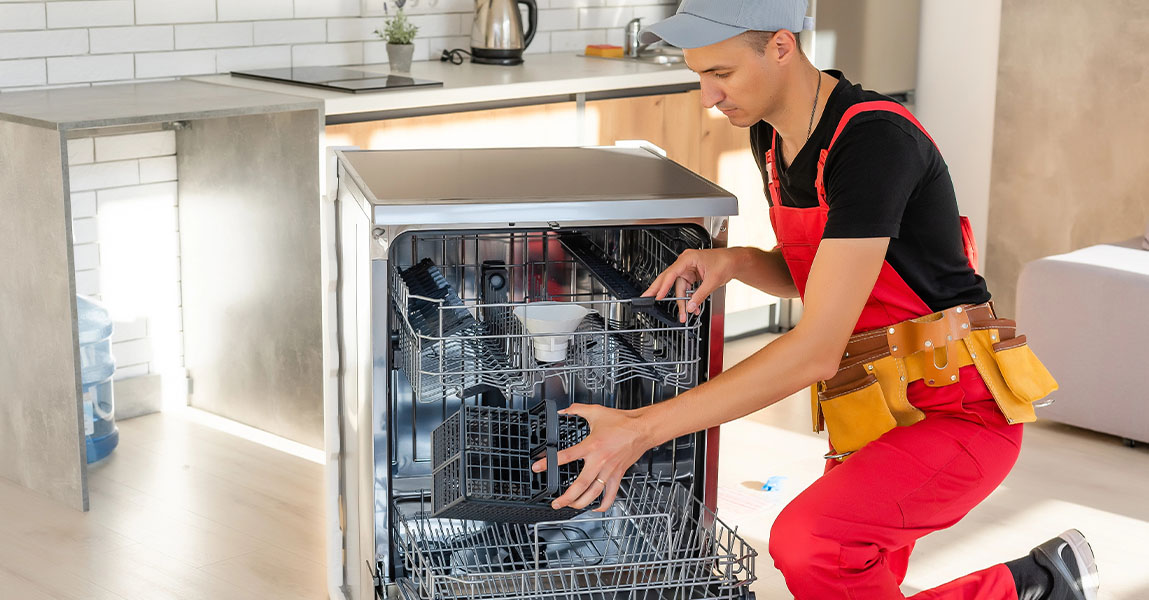
A dishwasher saves time and effort, but when it starts acting up, it can disrupt the entire kitchen routine. One of the most common issues is a failing pump. The pump is what circulates and drains water, so when it begins to fail, you’ll notice clear changes in how your dishwasher runs. Knowing what to look for and what steps to take can prevent further damage and unnecessary costs.
Understanding the Dishwasher Pump
Every dishwasher has two main pump systems. The circulation pump moves water through the spray arms, ensuring dishes are cleaned evenly. The drain pump removes dirty water after each cycle. When one of these parts begins to fail, the machine struggles to clean or drain properly. Ignoring early signs can cause water to back up, leaks to form, or the motor to burn out completely. Recognizing symptoms early helps you decide whether repair or replacement makes more sense.
Water Not Draining Properly
If you open the door and find water pooling at the bottom, the drain pump may not be working correctly. Sometimes, the cause is simple, like a clogged filter or a kinked hose. But if cleaning the filter and checking the hose doesn’t solve it, the issue may be deeper in the pump assembly. The pump impeller might be jammed or damaged, or the motor could be wearing out.
We recommend checking for food debris around the drain and listening closely during the draining stage. A quiet hum that doesn’t lead to movement of water often signals the pump motor is spinning but not engaging properly. If left unresolved, this can lead to stagnant water and unpleasant smells inside the dishwasher.
Strange Noises During Operation
Unusual sounds are among the clearest indicators of a failing pump. A healthy dishwasher emits a steady, low hum. When that hum turns into grinding, rattling, or squealing, something is wrong. Loose or damaged impellers can scrape against the housing. Bearings inside the motor can also wear out, creating harsh metal-on-metal noises.
Try running a short rinse cycle with an empty load to identify where the noise occurs. If it happens only during the wash or drain phase, the pump is likely responsible. Other components, such as the spray arm or motor housing, can cause similar noises, but consistent mechanical sounds point to pump wear. Continuing to use the dishwasher when these noises occur can worsen the problem and lead to complete pump failure.
Dishes Coming Out Dirty or Spotty
When the circulation pump weakens, it can’t generate enough pressure to push water evenly through the spray arms. As a result, dishes come out dirty, streaked, or still covered in soap. You might also notice that detergent tablets don’t dissolve fully.
Before assuming the pump is at fault, inspect the spray arms for blockages and the water inlet valve for proper flow. If both are fine, the reduced cleaning performance likely stems from the pump. The pump’s impeller blades can erode over time, reducing water pressure. Once the motor weakens, even a full cycle won’t produce enough force to clean effectively.
Leaks Beneath the Dishwasher
Leaking water is often blamed on the door seal or hose connections, but a failing pump can also be the source. The pump sits at the bottom of the machine, connected to several hoses and seals. When the pump housing cracks or the seals degrade, water escapes during cycles.
Inspect under the dishwasher for signs of moisture or rust. Small leaks can cause hidden floor damage and lead to mold growth if ignored. In most cases, replacing a worn gasket or pump assembly will stop the leak and restore normal operation. However, if your dishwasher is older than ten years, replacing the entire unit might be more cost-effective than continuous repairs.
Burning Smell or Electrical Odor
A burning or electrical smell during operation is a serious warning sign. The pump motor might be overheating or shorting out. Continuous strain on a failing motor generates excess heat, which can damage internal wiring and create a fire hazard. Stop using the dishwasher immediately if you smell burning. Unplug it and inspect the pump area once it cools down.
Sometimes, trapped debris near the pump motor can also cause friction and odor. But if the smell persists even after cleaning, the motor likely needs replacement. Never continue running the appliance under these conditions. Safety should always come first.
Water Remaining After Every Cycle
When you consistently see water at the bottom after every wash, and the filters are clear, the drain pump may not be creating enough suction. Over time, sediment and mineral buildup can reduce the impeller’s efficiency. In hard water regions, this problem is common.
Running a vinegar rinse once a month can help dissolve mineral deposits and keep the pump clean. However, if the issue continues, it’s time to have the pump tested. Persistent standing water can damage other electrical components and create foul odors inside the machine.
Diagnosing the Issue Before Repair
Before calling a technician, take a few simple diagnostic steps. Start by cleaning all filters and inspecting the drain hose for clogs or bends. Next, listen during each cycle stage to pinpoint when the issue occurs. The wash stage points to the circulation pump, while the drain stage indicates a problem with the drain pump.
If you’re comfortable using basic tools, you can remove the kickplate panel at the bottom and check for visible damage or corrosion. Make sure to disconnect the power first. Look for loose wires, cracked housing, or debris caught in the pump area. These visual clues often reveal the source of failure.
When to Call a Professional
Not every dishwasher pump problem requires a full replacement. Sometimes, a minor part like the impeller or gasket can be replaced individually. However, removing and reinstalling the pump requires specific tools and electrical knowledge. If the motor is burned out, replacing it can be complex and time-consuming.
For reliable help with diagnostics and repair, consider scheduling a professional visit through appliance repair in Glendale. An experienced technician can quickly identify the cause, estimate repair costs, and help you decide whether repair or replacement makes more sense. Prompt attention can prevent water damage and extend your dishwasher’s lifespan.
Preventing Future Pump Problems
Once the issue is fixed, a few preventive habits can keep your pump working efficiently. Always scrape large food scraps from dishes before loading them. Clean the filter regularly to prevent buildup that can block the pump. Once a month, run a hot cycle with vinegar to break down grease and mineral deposits.
Avoid overloading the dishwasher, as it restricts water flow and strains the pump. Finally, inspect the bottom of the machine occasionally for moisture or noise changes. Catching problems early makes a big difference in repair costs and convenience.
How to Handle a Total Pump Failure
If your dishwasher refuses to drain or run at all, and you’ve already ruled out power and hose issues, a total pump failure may have occurred. In this case, you’ll need a replacement pump assembly. These parts vary by model, so it’s important to get the correct one. Attempting a DIY replacement without proper knowledge can lead to leaks or electrical shorts.
At this point, professional service is the best route. A technician can order the correct part, install it safely, and test the dishwasher to ensure everything works smoothly. If your dishwasher is over a decade old or has multiple issues, investing in a new model might make more financial sense.
Local Insight: Glendale’s Hard Water Challenge
Homeowners in Glendale often deal with hard water, which accelerates mineral buildup in dishwashers. These minerals collect around the pump and motor, reducing performance over time. Installing a simple water softener or using a descaling product monthly can extend the life of your pump.
Even if your water looks clean, microscopic particles accumulate during every cycle. Maintaining your appliance with consistent cleaning and descaling helps prevent mechanical failure. Taking this extra step can save hundreds in future repairs.
What to Do While Waiting for Repair
If your dishwasher pump fails and you’re waiting for service, drain any standing water manually with a cup or towel. Leave the door open to prevent mold and odors. Avoid running the dishwasher again until it’s been inspected. Continuing to use it can burn out other components, like the heating element or control board.
Keep an eye on the surrounding area for leaks or dampness. If you notice water damage near the base, dry it quickly to prevent swelling or warping in your flooring. These small precautions protect both the appliance and your home while you wait for help.
How Long a Dishwasher Pump Should Last
A quality dishwasher pump typically lasts seven to ten years, depending on water quality, usage frequency, and maintenance habits. Regular cleaning and descaling can easily add several years to its life. Using high-quality detergent and avoiding food buildup are also key factors.
If you’ve had multiple pump issues within a short time, it might indicate an electrical or control board problem rather than a faulty pump. In those cases, a technician’s assessment can reveal whether a deeper mechanical issue exists.
Getting Reliable Repair Help
If you suspect your dishwasher pump is failing, don’t wait until it stops entirely. Water leaks and incomplete drainage can lead to expensive repairs if ignored. To schedule a professional diagnosis or service, you can contact us for prompt and practical help. A skilled technician will inspect the machine, replace faulty parts if needed, and ensure the dishwasher runs efficiently again.
FAQ
How can I tell if the pump or the drain hose is causing the issue?
If you hear the motor running but water remains, the pump is likely the issue. If there’s no sound at all, the problem could be a clogged or disconnected hose.
Can I replace a dishwasher pump myself?
It’s possible, but not recommended unless you have electrical and plumbing experience. Incorrect installation can lead to leaks or short circuits.
Is it worth repairing an old dishwasher pump?
If your dishwasher is less than ten years old and in good condition, replacing the pump usually makes sense. Beyond that, replacing the entire unit may be more economical.
What’s the average cost to replace a dishwasher pump?
Costs vary by model. The final amount depends on the type of pump and accessibility of the unit.
How can I extend my dishwasher’s life after repair?
Regularly clean the filters, avoid overloading, and run a monthly vinegar rinse to keep the pump and spray arms clear. Proper maintenance reduces future issues and keeps your machine running smoothly.