
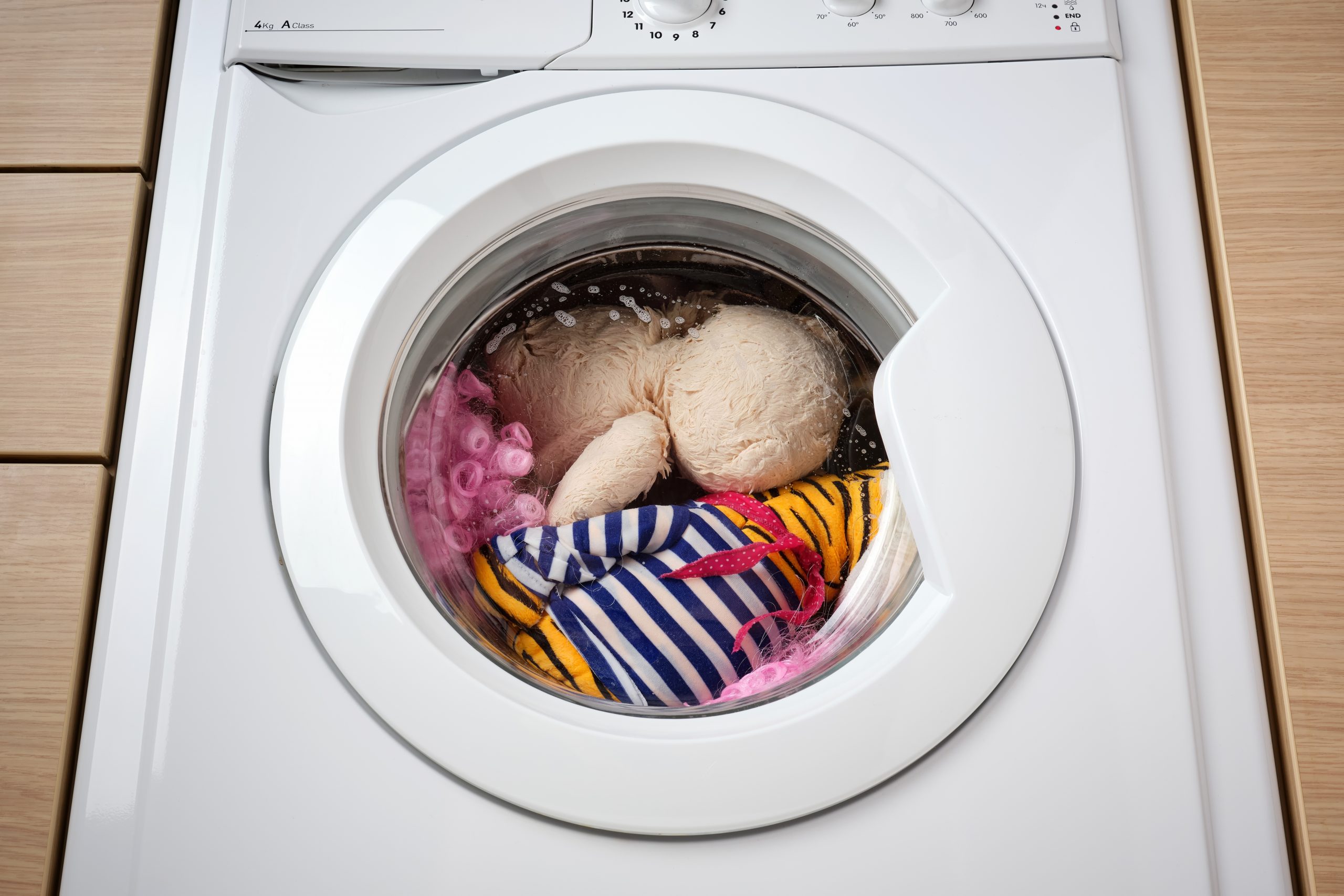
You open the washer lid and get hit with a sour, musty smell. Your clothes come out clean — but they still smell off. This is one of the most common complaints homeowners bring to Quick & Pro Appliance Repair Glendale. The good news? The cause is almost always identifiable. Furthermore, most smells have a straightforward fix.
What Causes That Bad Smell?
The number one culprit is mold and mildew. Front-load washers trap moisture inside the rubber door gasket after every cycle. Consequently, bacteria thrive in that warm, wet environment. However, top-load machines are not immune. Standing water in the drum or detergent buildup can produce the same result.
Another major cause is too much detergent. Excess soap leaves a residue inside the drum and hoses. Over time, that residue ferments. In addition, using non-HE detergent in a high-efficiency machine makes this problem significantly worse.
Hard water deposits also play a role. Glendale’s water supply carries minerals that build up inside the tub, pump, and drain lines. Therefore, regular cleaning becomes essential — not optional.
How to Fix a Smelly Washer at Home
First, clean the door gasket thoroughly. Pull back the rubber seal and wipe away any visible mold with a damp cloth and a mild bleach solution. Specifically, pay attention to the folds where water collects after each wash.
Next, run a hot cleaning cycle. Most modern washers include a “Clean Washer” or “Tub Clean” mode. If yours does not, run an empty hot-water cycle with two cups of white vinegar. Follow it immediately with a second cycle using half a cup of baking soda. This combination breaks down residue and neutralizes odor.
After each wash, leave the door or lid open. This simple habit allows the drum to dry out completely. Furthermore, pull the detergent drawer out occasionally and rinse away any soap buildup.
For households that run laundry daily, consider scheduling a dryer repair service check at the same time as your washer maintenance visit. Lint buildup in dryer vents can create moisture-related issues that travel back into the laundry room.
When Home Fixes Are Not Enough
Sometimes the smell comes from a deeper problem. A clogged drain pump traps dirty water inside the machine. A failing door seal lets moisture escape into the gasket cavity. Additionally, a broken heating element can prevent the drum from reaching temperatures that kill bacteria during hot cycles.
If you have tried the home fixes and the odor returns within a week, it is time to call a professional. Quick & Pro Appliance Repair Glendale handles exactly these scenarios with same-day appointments available seven days a week. A certified technician can inspect the drain pump, door seal, and internal hoses in one visit.
For expert washer repair in Glendale, the team at Quick & Pro Appliance Repair Glendale arrives fully equipped with diagnostic tools and common replacement parts. That means most repairs happen on the first visit — no waiting for parts to be ordered.
Prevent the Smell From Coming Back
Maintenance is the best strategy. Run a cleaning cycle once a month. Always use HE detergent in HE machines. Wipe the gasket dry after the last load of the day. Moreover, check the detergent drawer for clogging every two weeks.
Quick & Pro Appliance Repair Glendale also services other kitchen appliances. Whether you need oven repair for uneven heating or fridge repair for a unit that is running too warm, the same certified team handles it all. Likewise, if the dishwasher repair backlog is piling up alongside your laundry issues, one call covers every appliance in your home.
A smelly washer is annoying — but it is fixable. Act early, clean consistently, and call a professional when the problem goes beyond the surface. Your laundry room will thank you for it.
Ready to fix your washer? Call Quick & Pro for washer repair in Glendale today.
Frequently Asked Questions
Why does my front-load washer smell worse than a top-loader? Front-loaders use a rubber door gasket that traps water after every cycle. That sealed environment breeds mold and bacteria faster than an open top-load drum. Regular gasket cleaning and leaving the door open after each use solve most of the problem.
Can I use bleach to clean the inside of my washer? Yes, but use it carefully. Run an empty hot cycle with half a cup of liquid chlorine bleach. Never mix bleach with vinegar in the same cycle. Additionally, wipe the gasket area with a diluted bleach solution using gloves.
How often should I run a cleaning cycle? Once a month is the standard recommendation. However, if you run more than one load per day, clean every two to three weeks instead. Consistent cleaning prevents buildup from reaching a point where home remedies stop working.
Could the smell be coming from the drain hose? Absolutely. A kinked or partially clogged drain hose holds dirty water between cycles. That standing water produces a sewage-like odor. A technician can flush and inspect the hose during a service visit.
Is a persistent washer smell a sign I need a new machine? Not usually. Most odors come from buildup or minor mechanical issues that a repair technician can resolve quickly. Replacing the machine is rarely necessary unless the drum, motor, or control board has failed.